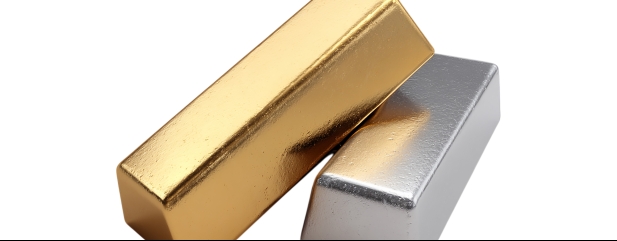
Gold is often seen as a useful source of diversification – with a returns profile which is genuinely uncorrelated to that of other asset classes.
We have written about gold’s attractions several times this year, including a look at what it might take for the gold price to hit $4,000.
In a nutshell, its enduring status as a store of value stems from its scarcity, resistance to manipulation, and its appeal in times of uncertainty. In recent years, central banks – especially in Russia and China – have increased gold holdings to reduce reliance on their US dollar reserves.
Weaker demand for traditional safe havens like US government bonds, driven by concerns over US deficits and trade policy, has further boosted gold’s attractiveness.
The US dollar’s weakness and geopolitical tensions, including conflict in the Middle East and Ukraine, continue to support demand and anticipation of a US interest rate cut in the near future also enhances gold’s relative appeal versus income-generating assets.
However, with the yellow metal currently trading at fresh record highs, silver may offer investors a useful way to diversify their precious metals exposure given it benefits from many of these same trends.
The exchange-traded commodity vehicle iShares Physical Silver (SSLN) tracks the spot price of silver in US dollars and is backed by physical holdings of the metal with just a 0.2% ongoing charge.
In fairness, silver is also elevated, currently trading at a 14-year high and not too far off the all-time highs seen in April 2011 when it nearly breached the $50 mark, but on valuation grounds it looks relatively attractive compared with gold.
The so-called gold-silver ratio, which shows how many times the silver price goes into the gold price, has fallen from a peak around 100 this April but, in the mid-80s, is still significantly higher than the average of around 67 times over the last 30 years.
Even if gold were to remain at its current levels, and there are reasons to think it could trade higher still, then a return to this average would see silver advance nearly 30% from here.
Historically, silver has been more popular with retail than sovereign and institutional investors and this has contributed to greater levels of volatility. However, there are some signs of a shift here. Regulatory filings from the Saudi Central Bank show it invested in two silver vehicles during the second quarter of the year.
Unlike gold, silver also benefits from industrial demand with growing usage in areas like photovoltaics (materials converting light into electricity used in solar energy) and electronics.
These articles are provided by Shares magazine which is published by AJ Bell Media, a part of AJ Bell. Shares is not written by AJ Bell.
Shares is provided for your general information and use and is not a personal recommendation to invest. It is not intended to be relied upon by you in making or not making any investment decisions. The investments referred to in these articles will not be suitable for all investors. If in doubt please seek appropriate independent financial advice.
Investors acting on the information in these articles do so at their own risk and AJ Bell Media and its staff do not accept liability for losses suffered by investors as a result of their investment decisions.
 magazine